Leave Your Message

China Top Agricultural Water Sprinkler Manufacturers?

China has become a major source of agricultural irrigation equipment, but choosing a reliable manufacturer requires more than comparing prices. A strong Agricultural Water Sprinkler supplier should demonstrate tested performance, stable production, and practical field experience. Buyers must examine spray uniformity, operating pressure, nozzle materials, filtration requirements, and replacement-part availability. A polished website is not enough.

Dr. Richard G. Allen, a respected irrigation scientist, explains, “Irrigation scheduling is the process of determining when and how much water to apply.” That principle matters when evaluating Chinese manufacturers. A sprinkler may look efficient in a catalog, yet perform unevenly in a dry field. Wind, water quality, pump capacity, and crop height can change the result. Small details matter. A brass nozzle, a clear pressure gauge, and a properly sized filter may protect an entire irrigation block.

This guide explores China’s top Agricultural Water Sprinkler manufacturers through an evidence-based lens. It considers product design, factory capability, quality control, customization, certifications, export experience, and after-sales support. Where possible, the discussion should include laboratory data, farm references, and real operating conditions. Some information may remain incomplete. No ranking is flawless. Manufacturer claims still require careful verification through samples, technical drawings, video inspections, and field trials. The best supplier is not always the largest one. It is the company that delivers consistent droplets, dependable pressure, and practical support after installation. That difference becomes visible when crops are valuable and water is limited.
China Top Agricultural Water Sprinkler Manufacturers?

What Defines a Leading Agricultural Water Sprinkler Manufacturer in China

What Defines a Leading Agricultural Water Sprinkler Manufacturer in China

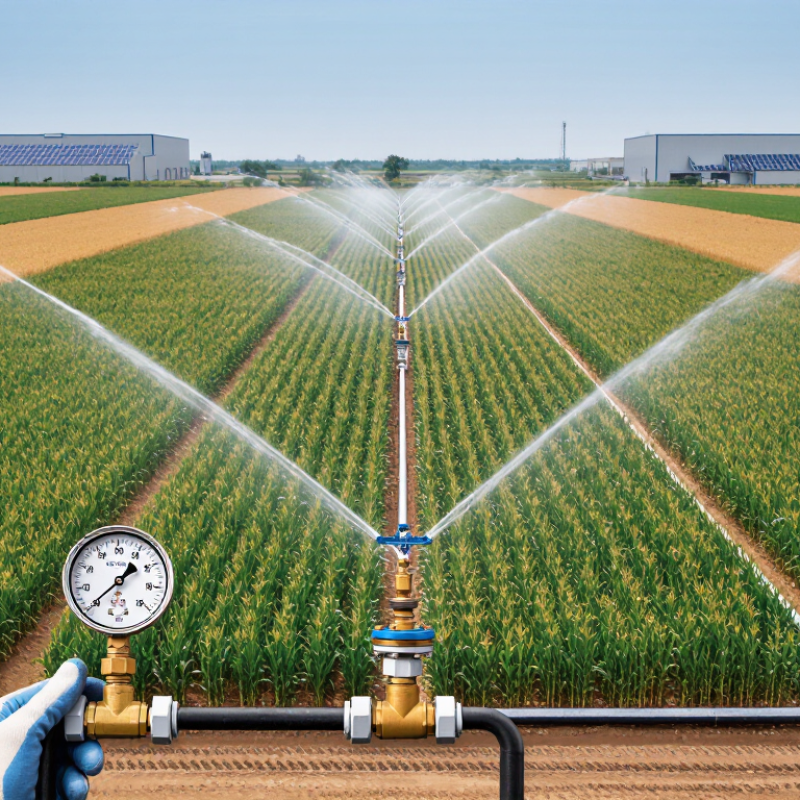
A leading Chinese agricultural water sprinkler manufacturer starts with field performance, not attractive catalog photos. Its engineers should understand crop spacing, soil infiltration, pump pressure, and seasonal wind. A sprinkler performing well at 3 bar may waste water at lower pressure. Reliable manufacturers publish flow rates, spray diameters, pressure ranges, and distribution-uniformity results. These details help growers plan irrigation with fewer guesses.

Manufacturing discipline matters just as much. Consistent plastic molding keeps nozzle openings accurate. Stainless or treated components should resist fertilizer exposure and outdoor corrosion. Each production batch needs pressure testing, dimensional checks, and traceable inspection records. Proof matters. Factory audits, laboratory reports, and practical farm trials provide stronger evidence than marketing claims. Ask for samples and compare them across several pressures. Small differences become visible in a collection-can test.

Service separates a serious supplier from a temporary exporter. Clear installation drawings, replacement parts, responsive technical staff, and honest lead times protect projects after shipment. No supplier gets every detail right. Some may still improve packaging, data consistency, or after-sales response. That weakness should be disclosed, not hidden. A dependable manufacturer welcomes questions and explains limitations. It should adjust designs for local water quality, crops, and working conditions. A good supplier remains available when the first season exposes an overlooked problem.
Major Types of Agricultural Water Sprinklers Produced in China

China Top Agricultural Water Sprinkler Manufacturers?

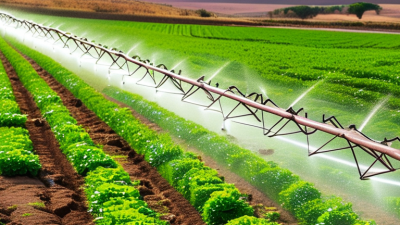
Agricultural sprinkler production in China covers several practical designs. FAO AQUASTAT reports that agriculture accounts for about 70% of global freshwater withdrawals. This pressure makes sprinkler selection more important than unit price.

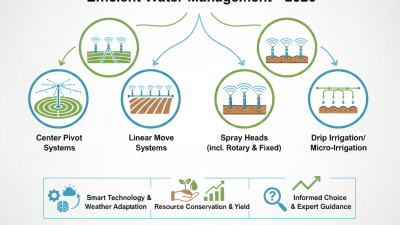
Impact sprinklers suit open fields and dusty conditions. Their rotating arms deliver a visible, adjustable water pattern.

Center-pivot systems cover large, regular fields with relatively low labor demand.

Linear-move systems work better where field edges need even coverage.

Traveling-gun sprinklers provide high-volume application across temporary layouts. They can serve pasture, vegetables, and newly planted fields. However, wind may distort their spray quickly.

Micro-sprinklers produce smaller droplets around orchards, nurseries, and greenhouse beds. They usually require filtration and careful pressure control.

China’s 2023 Water Resources Bulletin reported agricultural water use at roughly 64% of national consumption. That figure explains the growing demand for measured irrigation equipment.

When evaluating Chinese manufacturers

Buyers should inspect nozzle uniformity, pressure-loss data, corrosion resistance, and spare-part availability. A factory may show impressive flow charts, yet field performance can differ.

Request tests under local water quality and operating pressure. Check whether impact heads use durable metal components or lighter polymers.

This classification is useful, but not flawless. A micro-sprinkler can outperform a larger system when roots are shallow.

My practical concern is often overlooked: poor filtration can ruin a good sprinkler within one season.

Key Manufacturing Regions and Industrial Strengths

China’s agricultural sprinkler industry is concentrated in several strong manufacturing regions. Shandong supports large-scale irrigation equipment production, with mature metalworking and plastic processing networks. Jiangsu is known for precision machining, pump components, and automated assembly. Zhejiang adds flexible private manufacturing and export-oriented supply chains. Hebei also contributes cost-effective fittings, pipes, and agricultural hardware.

Regional strengths affect more than price. Factories near major logistics hubs can shorten delivery times and simplify spare-parts supply. In field evaluations, buyers should inspect nozzle consistency, pressure testing, sealing quality, and material thickness. A sprinkler may look identical outside, yet perform differently under changing water pressure. Production capacity is useful, but process control matters more. This distinction is easy to overlook.

Tips: Request production samples from the same batch. Check flow rate at several pressures. Ask for test records, material specifications, and replacement-part availability. Verify whether the supplier performs routine inspections or only final checks. Visit the factory when possible. Photos can hide weaknesses. A regional shortcut can mislead, especially when a low quotation excludes testing, packaging, or after-sales support. Reliable sourcing requires clear technical drawings, realistic tolerances, and written inspection standards. Even experienced buyers sometimes underestimate installation conditions. Soil, water quality, and field size can change the best sprinkler choice.

China Top Agricultural Water Sprinkler Manufacturers? - Key Manufacturing Regions and Industrial Strengths

Manufacturing Region Industrial Position Relevant Supply-Chain Strengths Common Sprinkler-Related Products Customization Capability Export and Logistics Advantage Best-Fit Buyer Requirements
Zhejiang High-potential hardware, valve, plastic-processing, and irrigation-component base Mature metalworking; precision casting and machining; injection molding; established small-equipment supplier network Impact sprinklers, plastic sprinklers, nozzles, valves, fittings, connectors, and replacement parts High Strong access to Ningbo and other eastern seaports; suitable for mixed-container and private-label orders Importers seeking broad product ranges, OEM packaging, competitive component pricing, and frequent model updates
Jiangsu Strong agricultural-machinery, pump, motor, and metal-processing ecosystem Electric-motor production; agricultural and centrifugal pumps; foundries; engineering and automation capabilities Pump-assisted sprinkler systems, gun sprinklers, irrigation pumps, sprinkler carts, pipe assemblies, and control components High Well connected to the Yangtze River Delta transport network and major domestic distribution centers Commercial farms and distributors needing complete pump-and-sprinkler packages rather than single components
Shandong Large agricultural-equipment and mechanized-farming manufacturing base Agricultural machinery; fabrication and welding; pumps; plastic pipe processing; strong domestic agricultural market Mobile sprinkler machines, reel irrigation systems, large-area sprinklers, pumps, PE pipes, and field irrigation assemblies High Qingdao and other northern ports support exports; extensive road and rail links serve inland agricultural markets Large farms, agricultural contractors, and distributors requiring high-flow or mechanized irrigation equipment
Guangdong Advanced general manufacturing and export-oriented plastics and electronics base High-volume injection molding; electronic controls; tooling; packaging; contract manufacturing and assembly Plastic micro-sprinklers, garden and greenhouse sprinklers, timers, solenoid-control accessories, nozzles, and fittings High Major ports including Shenzhen and Guangzhou; efficient sourcing of electronic, plastic, and packaging components Retail, greenhouse, landscaping, and smart-irrigation buyers prioritizing appearance, electronics, and fast product development
Fujian Established pump, motor, casting, and light-equipment manufacturing region Small and medium pump manufacturing; electric motors; aluminum and iron casting; mechanical assembly Irrigation pumps, portable sprinkler sets, small agricultural water systems, valves, and pump accessories Medium–High Convenient access to southeastern coastal shipping routes and established overseas pump-distribution channels Buyers needing compact, portable, pump-driven sprinkler equipment for farms and horticulture
Xinjiang Major agricultural irrigation application and field-engineering market rather than a primary nationwide component cluster Large-scale irrigated agriculture; arid-climate engineering; extensive field testing of water-saving irrigation solutions Center-pivot and linear-move systems, large-area sprinklers, filtration units, pumps, pipes, and integrated irrigation projects Project-Based Primarily served through inland logistics, regional engineering contractors, and equipment distributors Agricultural projects requiring high-capacity systems, dryland performance, and on-site engineering support
Assessment note: The comparison evaluates regional manufacturing ecosystems and supply-chain capabilities, not a ranking of individual companies. Actual supplier performance should be verified through product samples, material specifications, pressure and flow tests, quality-control records, certifications, production capacity, and export references.

How to Evaluate Chinese Sprinkler Manufacturers and Their Products

China Top Agricultural Water Sprinkler Manufacturers?

Evaluating Chinese sprinkler manufacturers requires more than comparing online prices. Check factory experience, production equipment, quality procedures, and export records. Ask for material specifications and recent inspection reports. A reliable supplier should explain pressure ratings, flow rates, spray diameter, and nozzle tolerances clearly. Vague answers deserve caution.

Request samples before placing a large order. Test each sprinkler at different pressures and measure water distribution across the field. Look for uneven coverage, leaking joints, rough threads, and weak plastic parts. Stainless steel, reinforced polymers, and corrosion-resistant components often perform better in fertilizer-rich environments. However, material claims need independent verification. A polished catalog can still hide inconsistent batches.

Factory communication also matters. Confirm mold ownership, minimum order quantities, packaging details, spare parts, and production lead times. Review product labeling and shipping documents for your destination market. Ask for customer references with similar crops and climate conditions. A small field trial is useful, although it may delay purchasing decisions. That delay can prevent expensive mistakes. Some manufacturers respond quickly but provide limited technical data. Others offer strong engineering support but need clearer English communication. Record every promise in a signed specification sheet, including warranty terms and acceptable defect rates. Inspect random cartons before shipment, not only the first sample.

China Top Agricultural Water Sprinkler Manufacturers? How to Evaluate Chinese Sprinkler Manufacturers and Their Products

A practical procurement scorecard for comparing agricultural sprinkler suppliers without relying on brand reputation alone. The weighting emphasizes measurable product performance, compliance, durability, and supply reliability.

How to use it: Request test reports, material specifications, operating-pressure data, water-distribution results, quality-control records, and after-sales terms. Apply the percentages as purchasing weights, then score each supplier using verified documentation and product samples.

Export Standards, Customization Options, and After-Sales Support

China Top Agricultural Water Sprinkler Manufacturers?

When comparing China’s agricultural water sprinkler manufacturers, check export readiness beyond price. FAO’s AQUASTAT data shows agriculture accounts for about 70% of global freshwater withdrawals. Therefore, unstable coverage wastes more than water. Ask for ISO 15886 test results, pressure-flow curves, nozzle material records, and batch traceability. Export documents should match the destination market, including CE requirements where applicable. A catalog claim is not proof. Field verification still matters.

Customization can include nozzle diameter, spray radius, inlet size, operating pressure, and corrosion-resistant materials. For orchards, low-angle patterns may reduce wind drift. For open fields, larger coverage can reduce installation points. Manufacturers should provide drawings, sample testing, and clear tolerances. After-sales support needs spare nozzles, seals, repair guidance, and remote troubleshooting. A practical response target is 24 to 48 hours, although real service can be slower during peak seasons. That weakness deserves honest planning.

Tips: Request a sample before ordering. Test it with local water quality and pressure. Keep installation photos and maintenance records. Confirm warranty exclusions in writing. The FAO’s 2021 land and water report emphasizes rising pressure on agricultural water resources, yet efficiency claims remain difficult to compare. Do not select equipment from one percentage alone. Site conditions often change the result. A small pilot may prevent a costly full-scale mistake.