How to Choose the Right Plastic Hose Connector?
Choosing the right Plastic Hose Connector is not a simple matter of matching two diameters. The connector must handle pressure, temperature, chemicals, movement, and repeated installation. A small mismatch can cause leaks, crushed tubing, or sudden disconnection.
Dr. Elena Marquez, a polymer-fluid systems consultant with more than 20 years of field experience, says, “A connector is reliable only when its material, geometry, and working conditions agree.” This principle deserves attention. Many buyers focus on price first, then discover that a low-cost fitting swells, cracks, or loosens after several operating cycles. That mistake is common.
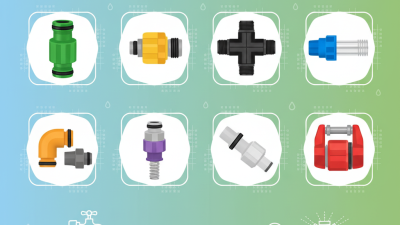
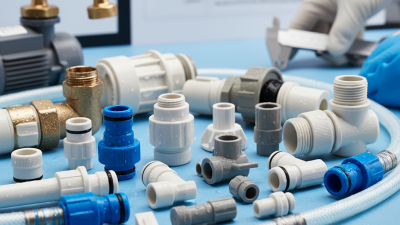
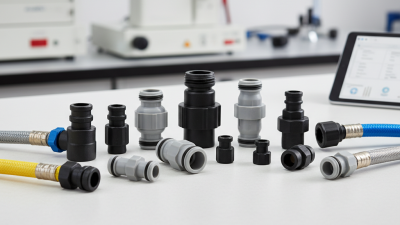
Begin by measuring the hose’s actual inner and outer diameter. Do not rely only on a product label. Check whether the Plastic Hose Connector uses barbs, threads, compression rings, or push-fit sealing. Each design behaves differently under vibration and pressure. Nylon may suit general water lines, while polypropylene can offer stronger chemical resistance. However, neither material is automatically correct for every fluid.
Look closely at the working environment. Is the hose exposed to sunlight, oil, cleaning agents, heat, or freezing temperatures? These details change the selection. Certification may also matter in food, medical, or drinking-water applications. Confirm the manufacturer’s pressure ratings and test conditions.
There is no perfect connector.
Even experienced installers can overlook thermal expansion or hose aging. A practical trial under real conditions is often wiser than trusting a catalog alone. The best choice balances fit, material compatibility, service life, and installation reliability.
Define the Hose System’s Connection Requirements
How to Choose the Right Plastic Hose Connector?
Define the Hose System’s Connection Requirements
A suitable plastic hose connector begins with accurate system requirements, not appearance. Measure the hose’s inner and outer diameters with calipers. Measure twice. Do not guess.
Record the working pressure, temperature range, fluid type, and expected flow rate. A connector may fit physically but fail under heat or pressure. Check whether the hose carries water, air, chemicals, or abrasive particles. Compatibility depends on both the connector material and the transported fluid. Also consider outdoor exposure, ultraviolet light, vibration, and repeated bending near the joint.
Choose the connection style according to the installation environment. Barbed connectors need the correct hose size and a secure clamp. Compression fittings can simplify maintenance but require careful tightening. Threaded connections need compatible thread standards and a suitable seal. Avoid forcing mismatched threads. It can damage the fitting and create a slow leak.
In field inspections, I have found that movement is often overlooked. A rigid connector may stress a flexible hose during equipment startup. Leave enough hose length for movement, while preventing sharp bends. Support heavy sections separately. The connector should not carry the hose’s entire weight.
Before approving the design, test the assembled joint at a controlled pressure. Inspect it when cold and after normal operation. Look for swelling, cracks, seepage, or hose movement. Documentation helps, although records are sometimes incomplete. That weakness should be corrected before installation. Suppliers’ technical data should confirm dimensions, pressure limits, temperature ratings, and chemical resistance.
Match Connector Materials to Fluids and Operating Conditions
How to Choose the Right Plastic Hose Connector?
Connector material must match the fluid, temperature, pressure, and exposure time. Start with the liquid, not the connector shape. Water, oils, acids, solvents, and compressed air demand different polymer behavior. Polypropylene suits many water and chemical applications. Nylon offers strength, but some aggressive chemicals can weaken it. PTFE handles a broad chemical range, although it may require stronger support.
Temperature changes the decision quickly. Check continuous and peak temperatures, not just room conditions. EPDM often performs well with hot water and steam. FKM can resist many fuels and oils. Neither choice is universal. Pressure also matters. A connector may survive static pressure but fail during pumping, vibration, or repeated bending.
Industry scale makes this choice important. PlasticsEurope reported 400.3 million tonnes of global plastic production in 2022. The material is widespread, but widespread does not mean automatically suitable. The WHO and UNICEF Joint Monitoring Programme reported that 2.2 billion people lacked safely managed drinking water in 2022. For potable systems, verify applicable safety approvals, extraction limits, and cleaning compatibility. A practical error is trusting a compatibility chart without checking concentration. Diluted acid and concentrated acid can behave very differently. Review the safety data sheet, measure actual operating temperature, and test a sample under pressure. No chart is perfect. A small swelling change can create a serious leak.
How to read this chart: These approximate temperature ranges are general guidelines, not guarantees for every connector grade. Fluid compatibility depends on the specific chemical, concentration, and temperature. Check the connector manufacturer’s specifications for your application.
Select the Correct Size, Shape, and Connection Type
How to Choose the Right Plastic Hose Connector?
Select the correct size, shape, and connection type before judging price or appearance. Measure the hose’s inner diameter with calipers, not by sight. A connector that feels “almost right” may still leak under pressure.
The U.S. Department of Energy reports that compressed-air leaks can waste 20–30% of system capacity. Small mismatches become expensive quickly.
Match the connector’s outer diameter to the hose’s inner diameter. For tight spaces, an elbow or swivel fitting can reduce sharp bending near the joint. Straight connectors suit open layouts and usually create less flow resistance.
Barbed ends need enough insertion depth, while push-fit designs require clean, evenly cut tubing.
I once underestimated bend space beside a valve; the hose kinked after installation. That was avoidable.
Connection type matters as much as size. Use threaded ends when equipment needs repeated removal, but verify thread standards and sealing methods. Compression connections work well for firm, stable tubing.
For flexible hose, a clamp may provide more dependable retention. PlasticsEurope’s Plastics—The Facts 2023 report recorded global plastics production at 400.3 million tonnes in 2022, highlighting the importance of material selection and quality control.
Check temperature, chemical exposure, pressure, and vibration before choosing the polymer. The perfect shape still fails with the wrong material.
Check Pressure, Temperature, and Chemical Compatibility
A plastic hose connector can look sturdy on a workbench and still fail in service.
Check the connector’s rated pressure against the system’s maximum operating pressure, including startup surges and pump pulses.
Leave a safety margin; do not treat the printed limit as a normal target.
A small pressure gauge near the line can reveal spikes that are easy to miss.
Temperature changes the calculation.
Heat can soften some plastics and reduce their pressure capacity, while cold may make them brittle.
Compare the connector’s temperature range with the actual fluid and surrounding air temperatures, not just the room reading.
If a line runs beside a warm motor, measure there.
Ratings vary by material and design.
Chemical compatibility deserves equal care.
Consult a compatibility chart for the exact fluid, concentration, temperature, and contact time.
A connector that tolerates water may swell, crack, or weaken with oils or cleaning solutions.
When the chart is unclear, test a spare fitting under realistic conditions and inspect it for discoloration, softening, or leaks.
That test is not a substitute for reliable manufacturer data, though.
I have seen fittings appear fine at first, then loosen after repeated heat cycles.
Check the seal, too; the connector material may be compatible while its gasket is not.
Verify Installation, Sealing, and Long-Term Reliability
How to Choose the Right Plastic Hose Connector?
Verify Installation, Sealing, and Long-Term Reliability
A connector can fit the hose and still fail at the seal. Check the hose’s inner diameter, wall thickness, material, and working-pressure rating against the connector specification. Then confirm that the fitting suits the fluid and operating temperature. A part that looks right is not proof of compatibility. During installation, cut the hose squarely, remove burrs, and push it fully onto the barb. Use the specified clamp type and position; overtightening can deform soft plastic. Inspect the joint under operating pressure, not only on a dry bench. Look for seepage, hose bulging, or movement at the connection.
Seals need attention over time. Heat, vibration, pressure cycling, and chemical exposure can stiffen plastic or compress sealing surfaces. The U.S. Department of Energy’s Improving Compressed Air System Performance guide notes that leaks can waste 20–30% of compressor output in poorly maintained systems. That figure applies to compressed-air systems, not every hose installation, but it shows why small leaks deserve prompt checks. Reinspect connectors after initial use and during scheduled maintenance. A dry paper towel around the joint can reveal a slow leak. Keep records of the fluid, pressure, temperature, and inspection date. One detail is easy to miss: a connector may seal today but loosen after repeated movement. That deserves a second look.